VR headset buying guide: how to choose the right one

Buying a VR headset is mostly about getting one decision right: standalone or PC VR. Settle that, and everything else falls into place. This guide walks through what actually matters, in plain terms, so you buy once and buy well.

Transparency: This article contains affiliate links. If you buy through one of them, we may earn a commission, at no extra cost to you. That is how we fund our testing and keep this site independent. More about how we test.

Contents

Our selection

Model Price DisplayTrackingField of view Rating Link
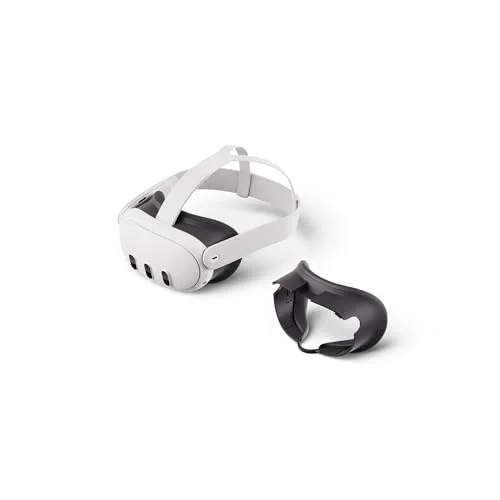
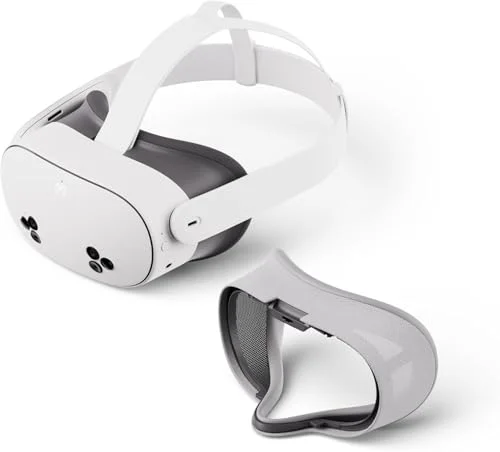
Meta Quest 3 (512GB) Standalone VR Headset ★ Top pick Meta Quest 3 (512GB) Standalone VR Headset £501.99 Dual LCD, 2064 x 2208 per eyeStandalone (inside-out, 6DoF)Around 110 degrees ★ 4.6 View →
Meta Quest 3S (256GB) Standalone VR Headset Meta Quest 3S (256GB) Standalone VR Headset £403.49 Dual LCD, 1832 x 1920 per eyeStandalone (inside-out, 6DoF)Around 96 degrees ★ 4.4 View →
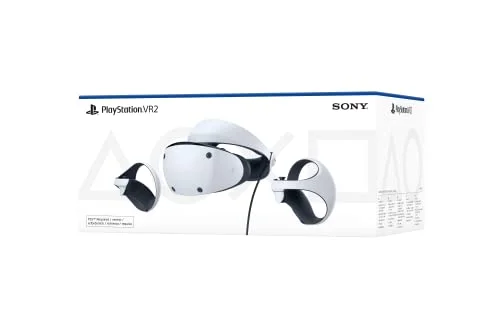
Sony PlayStation VR2 Headset Sony PlayStation VR2 Headset £449.00 Dual OLED, 2000 x 2040 per eyeTethered to PS5 (inside-out, 6DoF)Around 110 degrees ★ 4.3 View →
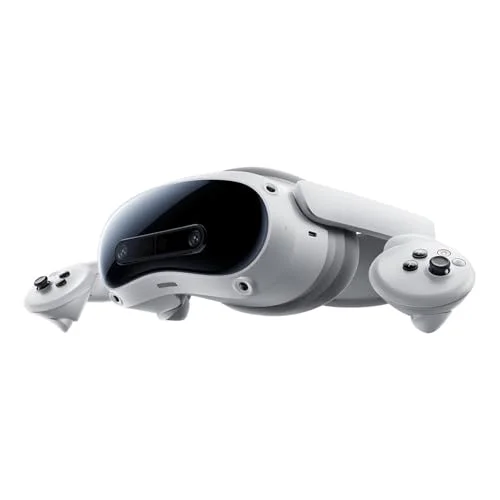
Pico 4 Ultra Standalone VR Headset Pico 4 Ultra Standalone VR Headset £504.40 Dual LCD, 2160 x 2160 per eyeStandalone (inside-out, 6DoF)Around 105 degrees ★ 4.2 View →
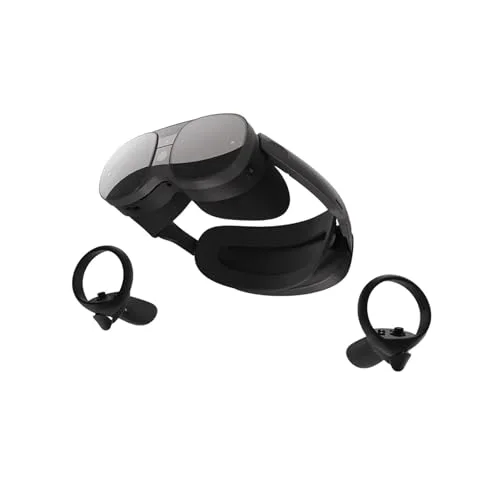
HTC Vive XR Elite Convertible VR Headset HTC Vive XR Elite Convertible VR Headset £1,021.67 Dual LCD, 1920 x 1920 per eyeStandalone or PC-tethered (6DoF)Around 110 degrees ★ 4 View →
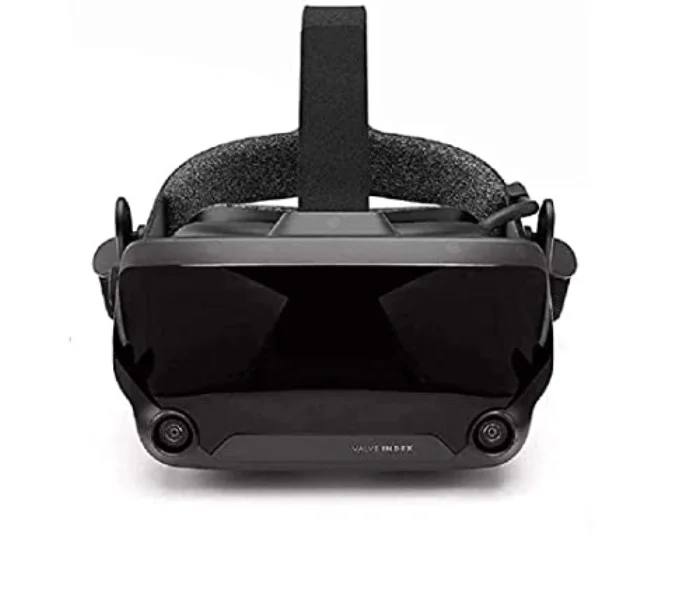
Valve Index VR Kit (PC VR Headset) Valve Index VR Kit (PC VR Headset) £849.00 Dual LCD, 1440 x 1600 per eyeExternal base stations (room-scale 6DoF)Around 130 degrees ★ 4.1 View →
★ Top pick
Meta Quest 3 (512GB) Standalone VR Headset £501.99
Display : Dual LCD, 2064 x 2208 per eyeTracking : Standalone (inside-out, 6DoF)Field of view : Around 110 degrees ★ 4.6/5
View on Amazon →
Meta Quest 3S (256GB) Standalone VR Headset £403.49
Display : Dual LCD, 1832 x 1920 per eyeTracking : Standalone (inside-out, 6DoF)Field of view : Around 96 degrees ★ 4.4/5
View on Amazon →
Sony PlayStation VR2 Headset £449.00
Display : Dual OLED, 2000 x 2040 per eyeTracking : Tethered to PS5 (inside-out, 6DoF)Field of view : Around 110 degrees ★ 4.3/5
View on Amazon →
Pico 4 Ultra Standalone VR Headset £504.40
Display : Dual LCD, 2160 x 2160 per eyeTracking : Standalone (inside-out, 6DoF)Field of view : Around 105 degrees ★ 4.2/5
View on Amazon →
HTC Vive XR Elite Convertible VR Headset £1,021.67
Display : Dual LCD, 1920 x 1920 per eyeTracking : Standalone or PC-tethered (6DoF)Field of view : Around 110 degrees ★ 4/5
View on Amazon →
Valve Index VR Kit (PC VR Headset) £849.00
Display : Dual LCD, 1440 x 1600 per eyeTracking : External base stations (room-scale 6DoF)Field of view : Around 130 degrees ★ 4.1/5
View on Amazon →
BEST OVERALL
Meta Quest 3 (512GB) Standalone VR Headset - VR headset Meta

Meta Quest 3 (512GB) Standalone VR Headset

4.6/5

£501.99

Dual LCD, 2064 x 2208 per eye · Standalone (inside-out, 6DoF) · Around 110 degrees

  • No PC or phone needed to play
  • Sharp pancake lenses with edge-to-edge clarity
  • Excellent full-colour passthrough for mixed reality
  • Huge, well-supported game library
  • Battery lasts around two to three hours
  • Stock head strap is comfortable rather than plush
Visuals 5/5
Comfort 4/5
Value 5/5
View on Amazon →
BEST BUDGET
Meta Quest 3S (256GB) Standalone VR Headset - VR headset Meta

Meta Quest 3S (256GB) Standalone VR Headset

4.4/5

£403.49

Dual LCD, 1832 x 1920 per eye · Standalone (inside-out, 6DoF) · Around 96 degrees

  • The cheapest way into modern standalone VR
  • Runs the exact same games as the Quest 3
  • Same fast Snapdragon XR2 Gen 2 chip
  • Full-colour passthrough included
  • Older Fresnel lenses with a smaller sweet spot than the Quest 3
  • Slightly lower resolution and field of view
Visuals 4/5
Comfort 4/5
Value 5/5
View on Amazon →
BEST FOR PS5
Sony PlayStation VR2 Headset - VR headset Sony

Sony PlayStation VR2 Headset

4.3/5

£449.00

Dual OLED, 2000 x 2040 per eye · Tethered to PS5 (inside-out, 6DoF) · Around 110 degrees

  • Stunning OLED panels with true HDR blacks
  • Eye tracking and headset haptics add real immersion
  • Single-cable setup to the PS5
  • Strong exclusive games such as Horizon Call of the Mountain
  • Needs a PS5, it cannot run on its own
  • Smaller library than the Meta ecosystem
Visuals 5/5
Comfort 4/5
Value 4/5
View on Amazon →
BEST BALANCED STANDALONE
Pico 4 Ultra Standalone VR Headset - VR headset Pico

Pico 4 Ultra Standalone VR Headset

4.2/5

£504.40

Dual LCD, 2160 x 2160 per eye · Standalone (inside-out, 6DoF) · Around 105 degrees

  • Balanced design with a rear battery for comfort
  • High-resolution pancake lenses
  • Good full-colour passthrough
  • Well built with a premium feel
  • Smaller game store than Meta
  • UK availability is patchier than the Quest range
Visuals 4/5
Comfort 5/5
Value 4/5
View on Amazon →
PREMIUM PICK
HTC Vive XR Elite Convertible VR Headset - VR headset HTC

HTC Vive XR Elite Convertible VR Headset

4/5

£1,021.67

Dual LCD, 1920 x 1920 per eye · Standalone or PC-tethered (6DoF) · Around 110 degrees

  • Compact, convertible design that packs down small
  • Works standalone or wired to a gaming PC
  • Good colour passthrough and a dioptre dial for glasses wearers
  • Premium materials throughout
  • Expensive for the on-paper specs
  • Battery on the rear adds bulk in headset mode
Visuals 4/5
Comfort 4/5
Value 3/5
View on Amazon →
BEST FOR PC ENTHUSIASTS
Valve Index VR Kit (PC VR Headset) - VR headset Valve

Valve Index VR Kit (PC VR Headset)

4.1/5

£849.00

Dual LCD, 1440 x 1600 per eye · External base stations (room-scale 6DoF) · Around 130 degrees

  • Very high 120 to 144Hz refresh rate for smooth motion
  • Class-leading finger-tracking Knuckles controllers
  • Wide field of view and superb base-station tracking
  • Excellent built-in off-ear speakers
  • Needs a powerful gaming PC and mounted base stations
  • Older panels are lower-resolution than newer rivals
Visuals 4/5
Comfort 4/5
Value 3/5
View on Amazon →

Standalone or PC VR: the decision that matters most

Before you compare any specs, answer one question: do you want a headset that works on its own, or one that plugs into a powerful gaming PC? This single choice decides almost everything else. A standalone headset, such as the Meta Quest 3 or the Quest 3S, has the computer built in, runs hundreds of games with no wires, and sets up in minutes. A PC VR headset, such as the Valve Index, offloads the work to your computer for the most demanding graphics, but ties you to a cable, a desk and a much higher total cost.

For the great majority of buyers, standalone is the right answer: it is cheaper, simpler and good enough that most people never feel they are missing out. PC VR is worth it only if you specifically want the highest-end visuals and already own, or are happy to buy, a strong gaming PC. There is also a console route: the PlayStation VR2 plugs into a PS5. We cover the full comparison in our guide to standalone versus PC VR.

Lenses and resolution: why lenses matter more

It is tempting to shop on resolution alone, but the lenses matter more for how good a headset actually looks. Modern pancake lenses, as used on the Quest 3 and the Pico 4 Ultra, give a much larger clear "sweet spot" than the older Fresnel lenses on cheaper headsets, so the image stays sharp across more of your view rather than blurring at the edges. When you are choosing between two headsets at a similar price, the one with pancake lenses will usually look better in practice.

Resolution still counts, of course. The headsets worth buying sit around 2000 pixels per eye or higher, which is sharp enough to read text comfortably and removes the obvious "screen door" effect of older hardware. But do not assume the highest number wins: a headset with slightly lower resolution and better lenses can look cleaner than one with more pixels and a smaller sweet spot. Judge the whole package, not a single figure.

Refresh rate: smoothness and comfort

Refresh rate is how many times per second the headset updates the image, and in VR it affects both how smooth motion looks and how comfortable you feel. The sensible floor is 90Hz, which most good headsets hit. Higher is better for fast games: enthusiast headsets such as the Valve Index reach 144Hz, which is noticeably smoother and reduces the chance of motion sickness on long sessions. If you are prone to queasiness, or you play fast-moving titles, a higher refresh rate is one of the most worthwhile things to prioritise.

Comfort and fit: easy to overlook, hard to ignore

Comfort decides whether you actually use the headset, yet it is the easiest thing to forget when you are comparing specs. Weight and balance matter most: a headset that puts its weight at the front digs into your face over time, while a rear-mounted battery, as on the Pico 4 Ultra, counterbalances the screens and stays comfortable for longer. The strap design counts too, and many keen Quest owners add an aftermarket strap with a rear cradle, which is a cheap, worthwhile upgrade. If you wear glasses, check for a dioptre dial or enough room for spectacles, since not every headset accommodates them well.

Tracking and controllers

Tracking is how the headset knows where you and your controllers are in space, and there are two approaches. Inside-out tracking uses cameras on the headset itself, needs no external hardware, and is what every standalone headset uses. It is excellent for the vast majority of games. Outside-in tracking, as on the Valve Index, uses external base stations mounted in your room for pinpoint accuracy across a large space, which serious players prize but most people do not need.

Controllers vary more than you might expect. The standard controllers on the Quest and Pico headsets are very good. The Index's finger-tracking Knuckles controllers go further, sensing individual fingers for a more natural grip, while the PlayStation VR2's Sense controllers add haptics. For most buyers the standard controllers are perfectly fine, but if hand presence matters to you, it is worth weighing.
Frequently asked questions

Q
Standalone or PC VR: which should I choose?

For most people standalone is the right answer. Headsets such as the Meta Quest 3 run games on their own with no PC, no wires and a quick setup. Choose PC VR only if you want the highest-end graphics and already own a powerful gaming PC.

Q
What resolution does a good VR headset need?

Modern headsets sit around 2000 pixels per eye or higher, which is sharp enough to read text comfortably. Resolution matters, but lens quality, field of view and refresh rate all affect how good the image actually looks in use.

Q
Is a higher refresh rate worth it in VR?

Yes, for fast games and comfort. A 90Hz to 120Hz refresh rate makes motion smoother and reduces the chance of motion sickness. Enthusiast headsets such as the Valve Index push to 144Hz, which feels noticeably smoother in fast titles.

Our advice in a nutshell

Start with the big decision: standalone or PC VR. For most people the answer is standalone, and the Meta Quest 3 is the best all-round choice, with the Quest 3S as the budget pick and the Pico 4 Ultra for comfort. PS5 owners should buy the PlayStation VR2, and dedicated PC players the Valve Index. Once you have chosen your type, prioritise good lenses, a 90Hz-plus refresh rate and a comfortable fit, and check the games you want are on the headset's store. Get the type right first and any headset on our list will serve you well. To see our current ranking, head to the best VR headset page.